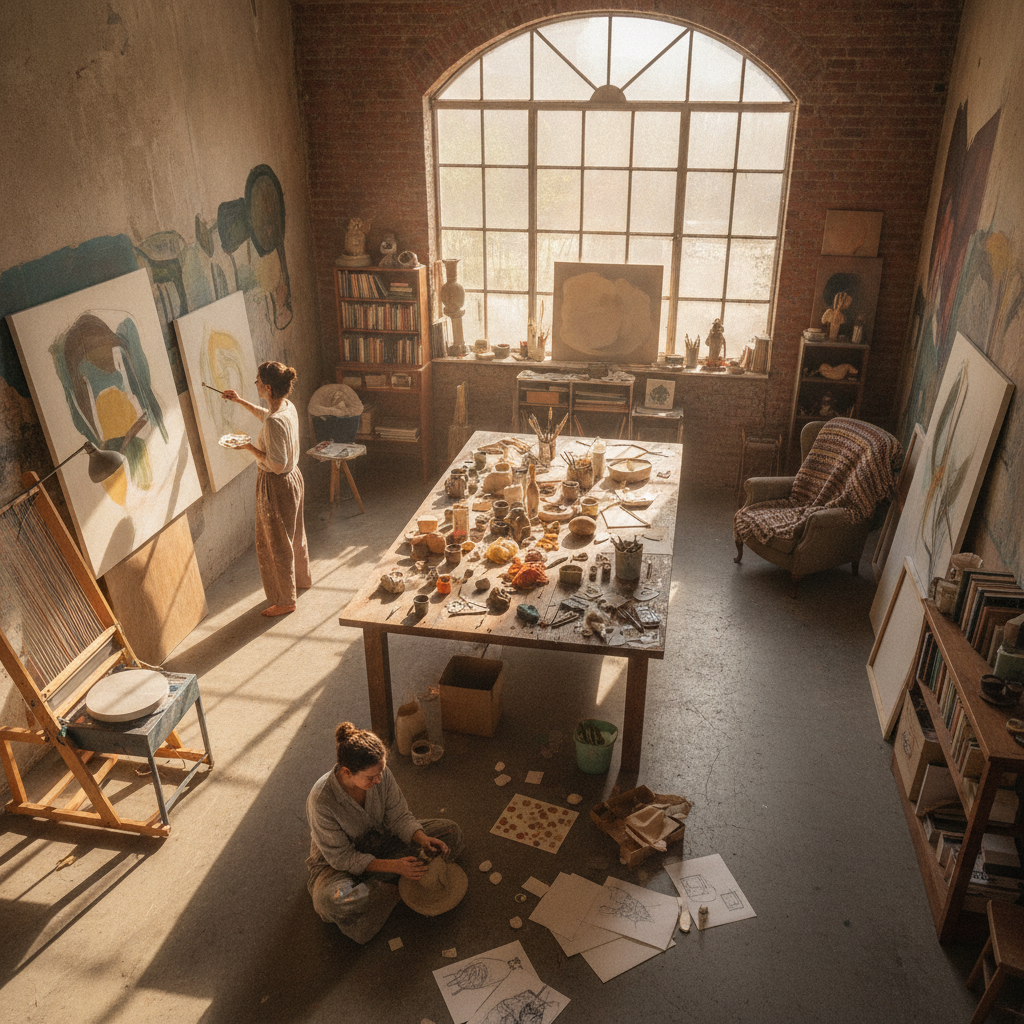
 Studio Off Hours
The Slow Art Movement: Embracing Creativity Without Constraints

The Essence of Slow Art
The Slow Art Movement is a refreshing approach to creativity that emphasizes the importance of taking one’s time. In an age dominated by fast-paced deadlines, instant gratification, and a relentless pursuit of productivity, this movement invites artists and creators to step back and embrace a more mindful and deliberate process. By prioritizing the act of creation without the pressure of deadlines or external expectations, practitioners of slow art cultivate an environment where creativity can flourish authentically.
Breaking Free from Constraints
One of the core principles of slow art is the liberation from clients and their demands. In traditional artistic practices, artists often find themselves confined by the expectations of others, which can stifle creativity and lead to burnout. Slow art, however, encourages artists to create for the sake of personal expression rather than commercial success. This shift in mindset allows artists to explore new techniques, experiment with different mediums, and ultimately, discover their unique voice.
“Art is not a thing; it is a way.” – Elbert Hubbard
The Joy of Process Over Product
In the slow art movement, the journey of creation is celebrated as much as the final product. Artists are encouraged to immerse themselves in the process, exploring their thoughts, emotions, and experiences. This focus on process fosters a deeper connection to the artwork, allowing for a more genuine expression of the artist's intentions. By valuing the experience of creation, artists can find joy in the act itself, rather than solely in the outcome.
Community and Connection
Slow art also fosters a sense of community among artists. By sharing experiences and insights, creators can inspire one another, encouraging a collective exploration of artistic expression. Workshops, collaborative projects, and informal gatherings become spaces where individuals can connect, share their journeys, and celebrate each other's work without the pressure of competition. This communal aspect of slow art reinforces the idea that creativity can thrive in a supportive environment.
Conclusion
The slow art movement invites artists to reclaim their creative space, free from the constraints of time and external expectations. By prioritizing the process of creation and fostering community, artists can cultivate a more fulfilling artistic journey. In this age of immediacy, slow art serves as a powerful reminder that true creativity often flourishes in moments of reflection, exploration, and unhurried expression.