 Studio Off Hours
The Influence of Sound on Creativity

The Power of Sound Environments
Music has an incredible ability to shape our emotions, thoughts, and behaviors. It is no surprise that sound environments can significantly influence our creative output. Whether you’re an artist, a writer, or a designer, the sounds that surround you can enhance or hinder your creative processes.
Understanding Sound Environments
Sound environments refer to the auditory backdrop within which we work. This can include music, ambient sounds, or even silence. Research suggests that different types of sound can elicit various cognitive and emotional responses, thus affecting our creativity in diverse ways.
“The environment you create for your mind can either be a sanctuary for creativity or a barrier to it.”
Music as a Catalyst for Creativity
Listening to music while working can stimulate brain activity and foster innovative thinking. For many, specific genres, such as classical or ambient music, are particularly effective for concentration and inspiration. The absence of lyrics often allows listeners to focus more deeply on their tasks without distraction. Additionally, rhythmic elements in music can help maintain energy levels, thus enhancing productivity.
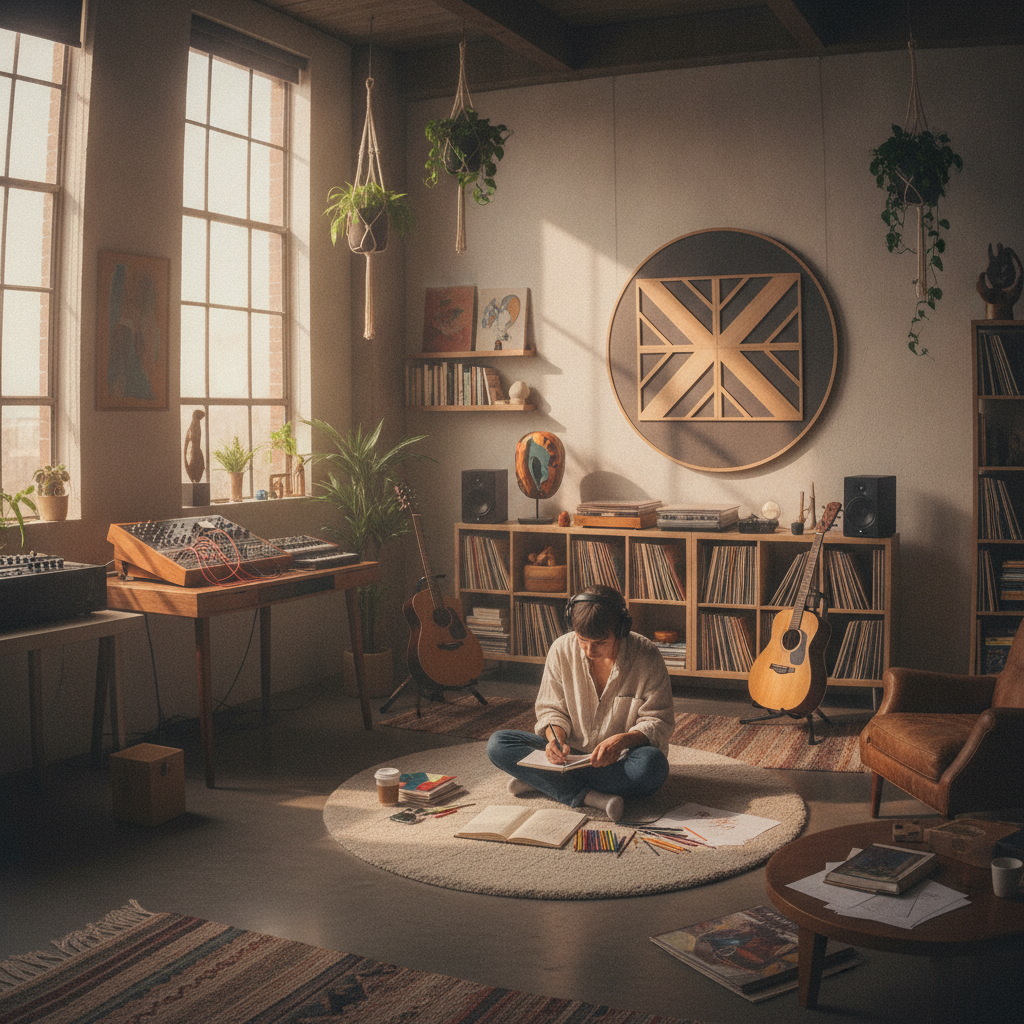
The Role of Ambient Sounds
In contrast, some individuals find that ambient sounds—such as nature sounds, white noise, or cityscapes—can create a comforting atmosphere that promotes creativity. These soundscapes can mask distracting noises and provide a sense of presence, making it easier to immerse oneself in creative endeavors.
“Creativity flourishes in environments where individuals feel relaxed and engaged.”
Silence as a Creative Space
On the flip side, silence can also be a powerful tool for creativity. For those who thrive in quiet environments, the absence of sound allows for reflection and deep thinking. In silence, one can tap into their inner thoughts, leading to breakthroughs and novel ideas. It is essential to recognize that the ideal sound environment varies significantly among individuals.
Finding Your Ideal Sound Environment
To harness the power of sound for enhancing creativity, individuals should experiment with different auditory settings. Whether you prefer upbeat melodies, soothing nature sounds, or complete silence, identifying what works best for you can lead to significant improvements in your creative output. Consider creating playlists tailored to different tasks or designating specific times for quiet reflection.
“Your optimal sound environment is a personal landscape that supports your creative journey.”
In conclusion, the connection between music, sound environments, and creativity is profound. By understanding and curating the soundscapes that resonate with you, you can unlock your creative potential and foster an environment that inspires innovation and imagination.