 Studio Off Hours
The Influence of Sound Environments on Creative Output

Exploring the Connection Between Music and Creativity
In the realm of creativity, the environment plays a pivotal role in influencing output. Among the various elements that shape our creative processes, sound environments—specifically music—have garnered significant attention for their ability to enhance or hinder the generation of ideas and artistic endeavors. Understanding how different soundscapes affect our creativity can help individuals harness the power of music to boost their productivity and innovation.
Music as a Catalyst for InspirationNumerous studies have revealed that music can serve as a powerful catalyst for inspiration. Different genres and tempos can evoke various emotions, which in turn can stimulate creative thought. For instance, upbeat music often instills a sense of energy and positivity, encouraging individuals to think outside the box and explore new concepts. Conversely, slower, more ambient compositions can create a calm atmosphere conducive to deep reflection and focused work.
“Music can change the world because it can change people.” – BonoThe Science Behind Sound and Creativity
Research indicates that sound environments can influence cognitive functions, including memory, attention, and problem-solving abilities. A study published in the journal *Psychological Science* found that moderate levels of background noise can enhance creative thinking, as they encourage individuals to think divergently—an essential component of the creative process. This suggests that a carefully curated auditory landscape can optimize the brain's ability to make connections and generate new ideas.
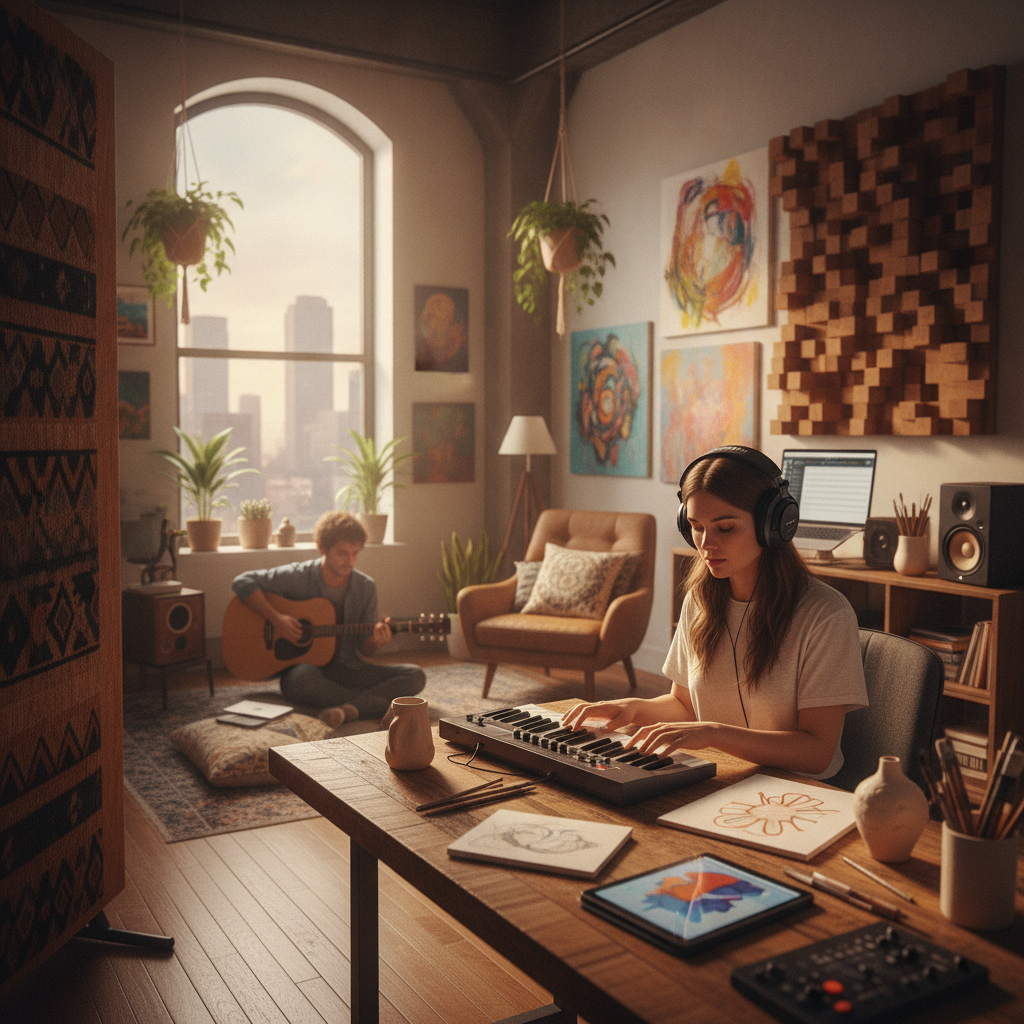
However, the impact of sound on creativity is subjective and can vary from person to person. While some may thrive in a bustling café filled with chatter and music, others may find solace in quietude or minimalistic soundscapes. Understanding personal preferences is crucial for maximizing creative output.
Creating the Optimal Sound EnvironmentTo foster a conducive environment for creativity, individuals should experiment with different types of music and soundscapes. Here are a few tips for creating an optimal auditory environment:
- Curate Playlists: Develop playlists tailored to specific tasks, whether it’s brainstorming, writing, or designing. Consider incorporating instrumental tracks that minimize lyrical distractions.
- Incorporate Nature Sounds: Sounds from nature, such as rain or ocean waves, can promote relaxation and focus, making them excellent companions for creative work.
- Use Volume Wisely: Adjust the volume to a level that enhances rather than overwhelms your ability to concentrate.
By experimenting with various sound environments, individuals can discover what works best for their unique creative processes. The interplay between sound and creativity is a dynamic relationship that can be harnessed for greater artistic expression.
ConclusionIn conclusion, sound environments, particularly music, have a profound impact on creativity. By understanding the psychological effects of different auditory stimuli, individuals can create personalized soundscapes that enhance their creative output. Whether through upbeat melodies, calming harmonies, or the soothing sounds of nature, music serves as a vital tool in the pursuit of innovation and artistic expression.