 Studio Off Hours
The Impact of Sound Environments on Creativity

The Relationship Between Sound and Creative Output
In the pursuit of creativity, many individuals are often unaware of the profound influence that sound environments have on their creative processes. From bustling urban landscapes to serene natural settings, the auditory backdrop can significantly shape the way we think, feel, and ultimately create.
The Power of Soundscapes
Soundscapes, the combination of sounds in our environment, play a critical role in determining our mood and focus. Research indicates that different types of sounds can either enhance or inhibit creative thinking. For instance, the gentle rustling of leaves or the soft chirping of birds can foster an atmosphere conducive to reflection and innovation, while loud and chaotic noises may lead to distraction and stress.
“The right sound environment can lead to a flow state where creativity thrives, enabling individuals to explore ideas freely and without inhibition.”
Music as a Creative Catalyst
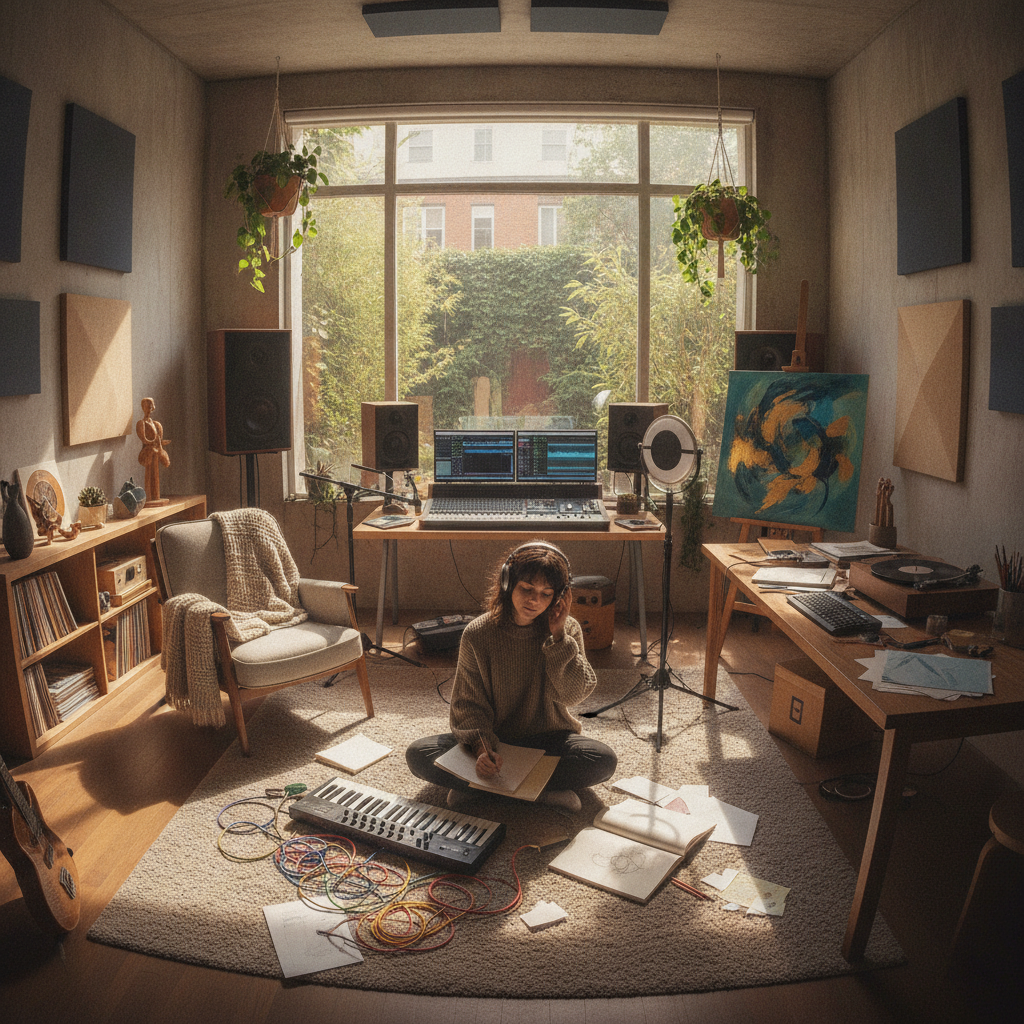
Music, in particular, has been shown to have a direct impact on creativity. Listening to certain genres can stimulate brain activity and evoke emotional responses that inspire artistic expression. For example, classical music is often associated with enhanced cognitive performance, while ambient sounds can create a tranquil setting that encourages deep thinking.
Moreover, the tempo and rhythm of music can influence the pace of creative work. Faster tempos may energize individuals, leading to bursts of productivity, while slower, more melodic sounds can aid in contemplative thought and detailed work.
“Choosing the right soundtrack can turn a mundane task into an engaging creative experience, transforming the way we approach our projects.”
Personalizing Your Sound Environment
To harness the power of sound effectively, individuals should consider personalizing their sound environments to suit their unique preferences and creative needs. This may involve experimenting with various types of music, natural sounds, or even silence. Understanding how different auditory elements affect one’s mood and productivity is essential for optimizing creativity.
In conclusion, the sound environment surrounding us has a significant impact on our creative output. By being mindful of the sounds we expose ourselves to, we can create a nurturing atmosphere that encourages inspiration and innovation. Whether through music, nature, or silence, the right soundscape can unlock the full potential of our creative minds.