 Studio Off Hours
Getting Started with the Basics of Screen Printing at Home

Understanding Screen Printing
Screen printing is a versatile and creative method used to transfer designs onto various surfaces. Whether you're looking to customize clothing, create art prints, or craft unique items for gifts, this technique allows for endless possibilities. With a bit of practice and the right materials, you can set up a simple screen printing process right in your home.
Essential Materials
Before diving into the world of screen printing, you’ll need to gather some essential materials:
- Screen Frame: A wooden or aluminum frame with a fine mesh stretched across it.
- Photo Emulsion: A light-sensitive liquid used to create your design on the screen.
- Transparency Film: This is used to print your design, which will be transferred onto the screen.
- Ink: Special screen printing ink, available in various colors depending on your project.
- Squeegee: A tool used to push ink through the mesh and onto your chosen surface.
- Surface to Print On: This can be t-shirts, tote bags, or paper, depending on your project.
The Basic Process
Once you have gathered your materials, follow these basic steps to begin screen printing:
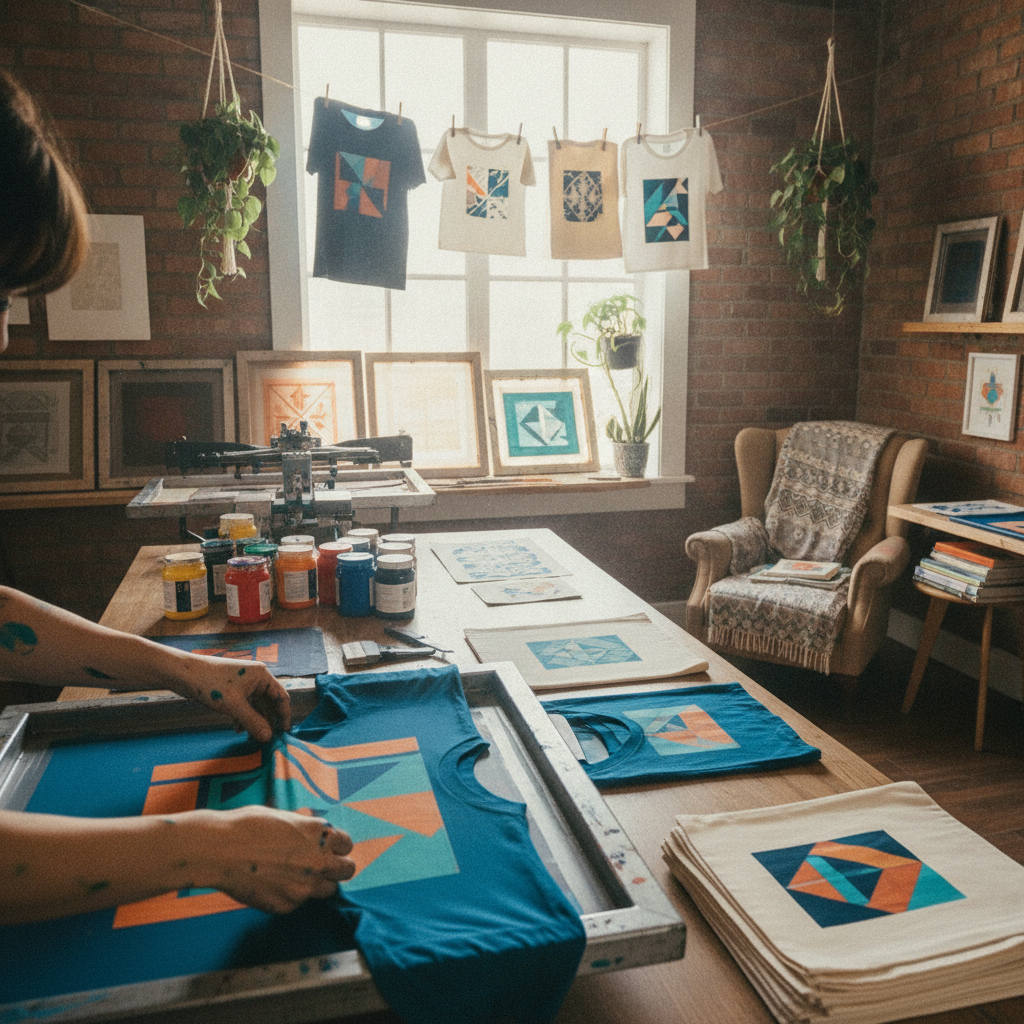
- Create Your Design: Start by designing your artwork on a computer or by hand. If using digital software, print your design onto transparency film.
- Prepare the Screen: Apply a layer of photo emulsion to the screen in a dimly lit area. Allow it to dry completely.
- Expose the Screen: Place your transparency film on the dried emulsion and expose it to light. This creates a stencil of your design. The areas that are blocked by the design remain soft, while the rest hardens.
- Wash the Screen: Rinse the screen with water. The soft emulsion will wash away, leaving your design visible as an opening.
- Set Up for Printing: Place your screen on the item you wish to print on and secure it. Prepare your ink and squeegee.
- Print: Pour some ink at the top of the screen, then use the squeegee to pull the ink across the design, filling in the stencil.
- Dry Your Prints: Allow your items to dry thoroughly before handling them, ensuring the ink is set.
Tips for Success
As you embark on your screen printing journey, consider these tips for a smoother experience:
- Practice with simple designs before working on more complex images.
- Experiment with different types of ink for varied textures and finishes.
- Keep your workspace organized to ensure a clean printing process.
- Don’t hesitate to watch tutorial videos online to enhance your skills.
“Screen printing is not just a hobby; it's a way to express your creativity and bring your visions to life.”
Conclusion
Screen printing at home can be a fulfilling and enjoyable creative outlet. With the right materials, a bit of practice, and a willingness to experiment, you can create beautiful and unique designs. So gather your supplies, unleash your creativity, and start printing!